
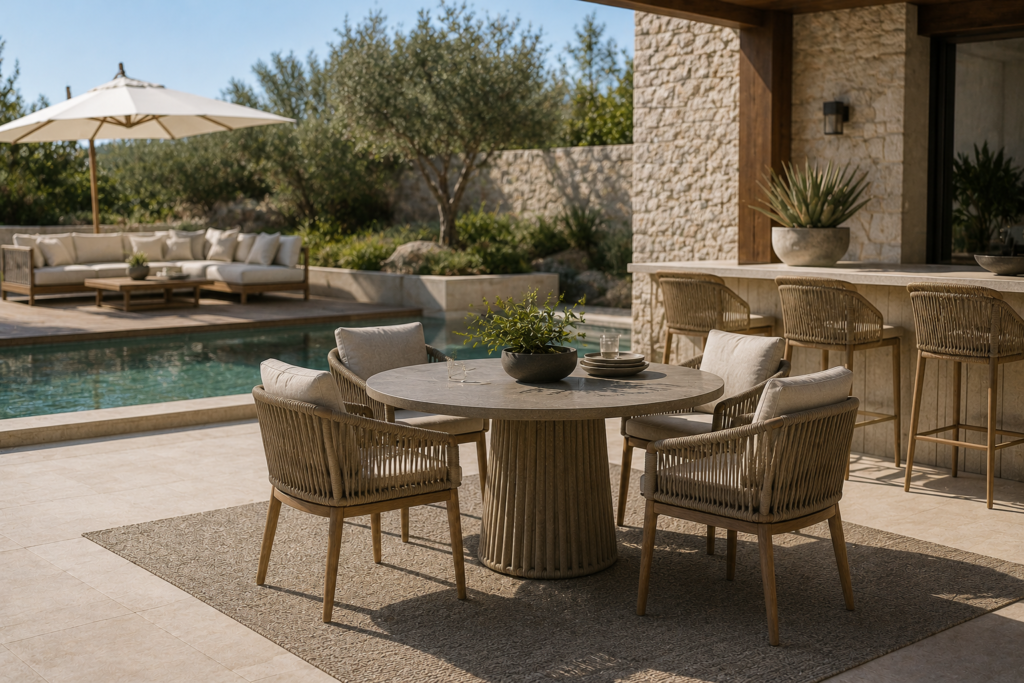
Introduction to UV Exposure and Outdoor Furniture
The interaction between sunlight and outdoor furniture is a crucial aspect of maintaining aesthetic and structural integrity. Specifically, ultraviolet (UV) radiation emanating from the sun has varying effects on different materials commonly employed in the manufacture of durable outdoor furniture. Many individuals tend to reduce the impact of UV radiation to mere fading of colors, but this notion overlooks more intricate damage that can arise.
UV exposure can lead to significant alterations in both the appearance and performance of outdoor furniture. For instance, materials such as wood, plastic, and fabric each respond differently to sunlight. Wooden furniture may become dry and brittle, leading it to splinter, while high-density polyethylene (HDPE), commonly used in some durable outdoor furniture, can become discolored and lose its structural integrity over time. Additionally, textiles used in cushion coverings may fade and weaken due to constant exposure to the sun’s rays.
An important consideration is that UV radiation can degrade not only the surface appearance of outdoor furniture but also its underlying structural elements. This degradation can compromise the furniture’s safety and durability, requiring potentially costly replacements or repairs. The misconception that fading is the sole consequence of sunlight can lead consumers to underestimate the impacts of prolonged UV exposure.
Understanding the multi-faceted effects of UV radiation on outdoor furniture is imperative for making informed choices regarding purchase and maintenance. By implementing strategies such as using UV-resistant materials or employing protective covers, homeowners can extend the life span of their outdoor decor. Awareness of these factors ensures that the investment in durable outdoor furniture remains one that provides long-lasting enjoyment.
Beyond Color: The Deeper Effects of UV Exposure
When considering the effects of sunlight on outdoor furniture, it is crucial to recognize that ultraviolet (UV) radiation extends far beyond merely fading color. The impact of UV exposure can significantly alter the integrity and functionality of durable outdoor furniture, leading to various detrimental changes that are often overlooked.
One of the primary concerns is the alteration of flexibility in synthetic materials. Prolonged exposure to UV rays can cause plastics and other polymers to become brittle. This brittleness not only increases the likelihood of cracking and breaking but also affects the overall comfort and usability of outdoor furniture items, such as chairs and lounges that rely on a degree of flexibility.
Moreover, the structural integrity of durable outdoor furniture can be compromised by continuous sunlight exposure. For example, wood materials undergo chemical changes due to UV radiation, which can result in warping, splitting, and even rotting over time. Similar effects can happen to metal components, where corrosive processes are accelerated by UV exposure, often leading to rust and degradation. This degradation, although gradual, significantly shortens the lifespan of outdoor furniture, making it essential for homeowners to be aware of the potential for damage.
The chemical breakdown of materials due to UV radiation is another critical aspect to consider. As outdoor furniture interacts with sunlight, the materials can undergo a photochemical process that leads to the formation of free radicals. This process deteriorates the strength and durability of the furniture, ultimately affecting its aesthetic appeal and structural soundness. Many individuals may underestimate these consequences, believing that regular cleaning and care are sufficient to maintain their outdoor furnishings over time.
Recognizing the multifaceted effects of UV exposure on outdoor furniture can help consumers make informed decisions regarding materials and protective measures. Understanding these deeper implications can ultimately lead to more sustainable choices and longer-lasting investments in outdoor furnishings.
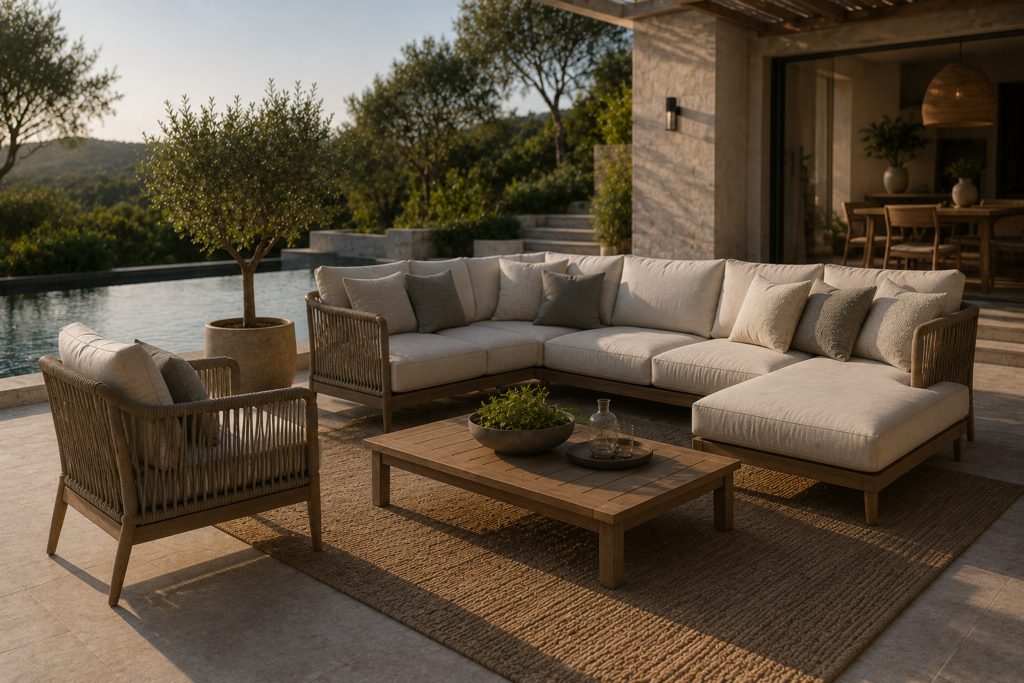
Micro vs. Macro Change: Understanding Material Deterioration
The effects of ultraviolet (UV) radiation on outdoor furniture can be understood through the lens of micro versus macro changes in material composition. While some furniture may appear visually intact on the surface, deeper inspection can reveal significant internal damage that compromises its structural integrity over time. Durable outdoor furniture, such as rattan, foam, and certain fabrics, often undergoes these subtle yet impactful transformations primarily due to prolonged exposure to sunlight.
Rattan, a popular choice for outdoor furniture, is particularly susceptible to UV damage. Although it is revered for its natural appeal, the fibers may weaken when subjected to consistent sunlight. This weakening occurs at the micro level, where the natural UV inhibitors in the rattan degrade, resulting in a loss of flexibility and strength. As the material deteriorates, it may not display immediate signs of wear, leading to an assumption of continued durability until a sudden failure occurs.
Foam, often used in cushions and other padding, also shows vulnerability to sunlight exposure. The polymer structures within foam can break down when exposed to UV rays, leading to fading, brittleness, and eventually, a complete loss of cushioning support. The external layer may seem unaffected initially, but the internal degradation significantly alters the overall comfort and utility of the furniture.
Fabrics, commonly utilized in upholstery for outdoor seating, experience similar micro changes under UV radiation. While the surface may exhibit no visible signs of fading or wear, the fibers can become weak, leading to increased susceptibility to tears and punctures. This hidden damage highlights the critical importance of proper care and maintenance for any durable outdoor furniture, ensuring its longevity despite the harsh effects of sunlight.
Impact of Poolside Environments on UV Damage
Poolside environments present unique challenges for outdoor furniture, significantly increasing the risk of UV damage. The high reflectivity of water can amplify the intensity of sunlight, creating an environment where ultraviolet (UV) rays bombard furniture from multiple angles. This reflective effect can lead to accelerated fading and degradation of materials used in durable outdoor furniture, such as fabrics and plastics. As UV exposure intensifies in these areas, it is crucial for consumers to consider the potential long-term impact on their outdoor furnishings.
Moreover, poolside settings often involve increased temperatures. Heat accumulation can exacerbate the aging process of outdoor materials, which may become brittle or discolored over time. For instance, while plastic furniture is commonly viewed as a low-maintenance option, high temperatures compounded by UV exposure can cause it to warp or crack. This demonstrates the need for carefully selecting materials that can endure such challenging environments, ensuring that consumers invest in truly durable outdoor furniture.
Moisture is another critical factor affecting the longevity of outdoor furnishings placed near pools. The frequent splashes and humidity can create conditions for mold and mildew, particularly in upholstered pieces. As moisture interacts with sunlight, it can deteriorate the protective coatings applied to many outdoor products, leading to more severe UV damage. Therefore, selecting furniture designed to withstand both moisture and UV radiation becomes essential for maintaining both aesthetics and structural integrity.
In summary, consumers should be aware of the intensified UV risks associated with poolside environments. By choosing well-constructed, durable outdoor furniture specifically designed to withstand such conditions, they can prolong the life and appearance of their outdoor spaces. The combination of understanding the effects of water reflection, heat accumulation, and moisture can guide buyers in making informed decisions when furnishing their poolside areas.
Engineering for Resilience: The Role of Quality in Outdoor Furniture
The manufacturing of durable outdoor furniture requires a multifaceted approach that considers various components, as these products are subjected to the rigors of weather elements, particularly sunlight. Holistic engineering is fundamental in ensuring that every part of the furniture—from the structural framework to the upholstery—works harmoniously to withstand wear and tear. Each component, including the framework, foam, fabric, and coatings, serves a specific function, thus necessitating high-quality inputs to create an overall resilient product.
Firstly, the structural integrity of outdoor furniture is paramount. Many manufacturers use materials such as aluminum and stainless steel which are known for their corrosion resistance and strength. However, if the framework is not properly engineered to support the weight and pressure applied during regular use, it could lead to failure, thereby diminishing the lifespan of the entire piece. Similarly, the foam used in cushions must be of high quality, engineered to resist compression and retain shape, which enhances comfort and durability.
The choice of fabric plays a crucial role in the longevity of outdoor furniture as well. Fabrics that are UV-resistant can significantly mitigate the harmful effects of sunlight, such as fading and weakening of fibers. A good coating process provides an additional layer of defense against moisture and UV damage, extending the functional life of the pieces. Therefore, if any of these components are inferior or improperly designed, they may compromise the durability of the overall product.
Ultimately, it is essential for manufacturers to view outdoor furniture as an integrated system rather than just a collection of parts. The failure of one component can jeopardize the durability that consumers expect. Investing in quality and thoughtful engineering ensures that these outdoor furnishings not only meet aesthetic expectations but also stand the test of time against the elements.
Surface Appearance vs. True Durability: The Illusion of Quality
When selecting durable outdoor furniture, consumers often rely on the initial appearance of products to gauge quality. It is not uncommon for high-quality outdoor furniture to exhibit a similar aesthetic as lower-quality alternatives. However, this visual similarity can be deceptive. True durability is a property that unfolds over time and manifests through various performance indicators.
High-quality outdoor furniture is constructed with superior materials and designed with attention to detail. Such furniture is not only visually appealing but also engineered to withstand the harsh effects of sunlight and varying weather conditions. Features such as high-density polyethylene (HDPE) or aluminum frameworks provide enhanced resistance to UV rays, maintaining structural integrity while also preventing color fading. In contrast, lower-quality options, which might appear attractive at first glance, are typically made from less resilient materials; these often lead to premature wear and failure.
Flexibility is another notable characteristic of durable outdoor furniture. Well-designed pieces incorporate elements that allow them to adapt without compromising their form or functionality under stress. This quality becomes increasingly important in outdoor settings where exposure to environmental factors is inevitable. As lower-quality furniture begins to degrade, flexural strength diminishes, leading to warping or breakage.
The true test of outdoor furniture lies not merely in its initial appeal but in its long-term performance. Reliable brands produce furniture that continues to look good and perform well even after prolonged exposure to sunlight and other elements. In conclusion, discerning buyers should prioritize the long-term durability of outdoor furniture rather than aesthetic similarities at first sight, recognizing that quality ultimately reveals itself through sustained functionality over time.
The Subtle Aging Process of Outdoor Furniture
The aging process of outdoor furniture is often subtle, manifesting over a prolonged period rather than through immediate or overt signs of wear. This gradual transition can influence not only the aesthetic appeal of the furniture but also its performance and overall durability. Quality, durable outdoor furniture is designed to withstand the elements, yet it naturally experiences changes due to exposure to sunlight, moisture, and temperature variations.
One of the primary factors contributing to this aging process is ultraviolet (UV) radiation. Prolonged exposure to sunlight can lead to a fading of colors and the deterioration of materials. While high-quality outdoor furniture may initially resist these effects, over time, the UV rays can alter the chemical structure of materials such as wood, metal, and synthetic composites. As a result, even the most durable outdoor furniture may show signs of aging, including discoloration and loss of structural integrity.
In addition to UV degradation, everyday environmental factors also play a crucial role. For instance, moisture can lead to mold and mildew formation on certain materials, while fluctuating temperatures may cause expansions and contractions in the structure of the furniture. It is essential for outdoor furniture to be manufactured from materials that can adapt to these conditions, thus effectively managing the natural aging process rather than completely resisting it.
The evolution of outdoor furniture materials is an important aspect for homeowners to consider. Choosing high-quality pieces that are designed to endure these subtle changes will ensure a longer lifespan and better performance. With proper care, even aged durable outdoor furniture can retain its functionality and style, providing enjoyment for years to come.
Best Practices for Maintenance and Care
Maintaining durable outdoor furniture is essential for safeguarding its appearance and structural integrity, particularly when it is continuously exposed to sunlight and ultraviolet (UV) rays. Following best practices for cleaning, protection, and storage can prolong the life of these investments.
First and foremost, regular cleaning should be a priority. Dirt and debris can accumulate on outdoor furniture, leading to premature wear and tear. To clean your furniture effectively, use a mild soap solution mixed with water. A soft-bristle brush or a cloth can help remove stubborn stains without scratching or damaging the surface. Rinse thoroughly with water and allow the furniture to dry completely to prevent mold or mildew growth.
Moreover, applying protective coatings can significantly enhance the resilience of your outdoor furniture against UV radiation. For wooden furniture, consider using UV-protective sealants or stains that not only enhance appearance but also provide a protective barrier. For metal pieces, look for rust-resistant finishes that can shield against both UV damage and corrosion. Always follow the manufacturer’s instructions for application to ensure optimal results.
When not in use, it’s advisable to store your durable outdoor furniture in a shaded area or a dedicated storage space. Utilizing protective covers can shield your furniture from the sun’s harsh rays and inclement weather, while also keeping it clean. If storing indoors is not feasible, moving the furniture to a more protected location in your yard can also help mitigate UV exposure.
In addition to these practices, regular inspections for signs of wear, such as fading or cracking, can help catch potential issues early. By committing to these care practices, owners can maintain their outdoor furniture’s functionality and appearance, ensuring that it remains an inviting element of their outdoor spaces for years to come.
Conclusion: Investing in Quality for Longevity
In the realm of outdoor living, the influence of sunlight cannot be overlooked. Prolonged exposure to ultraviolet (UV) rays can significantly compromise the structural integrity and appearance of outdoor furniture. Therefore, understanding these factors is crucial for maintaining an inviting and lasting outdoor environment.
Investing in durable outdoor furniture designed to withstand the harsh effects of UV damage is essential for homeowners aiming to create a resilient outdoor space. High-quality materials, such as weather-resistant metals, treated woods, or synthetic fibers, can offer not only aesthetic appeal but also durability against the elements. Selecting furniture that incorporates UV-resistant techniques will ensure that it retains its vibrancy over time, thereby reducing the need for frequent replacements and ultimately saving money in the long term.
Moreover, consumers are encouraged to seek brands and products with reputable warranties, as these often reflect confidence in the furniture’s durability and longevity. It is advisable to opt for pieces that have been engineered specifically for outdoor use, emphasizing robust construction and sustainable materials. These investments are not merely purchases but rather commitments to enhancing the overall quality of life outdoors.
By prioritizing durability alongside design, outdoor furniture can offer comfort, attractiveness, and an enduring presence. In making informed decisions, homeowners can ensure their outdoor spaces remain enjoyable and functional year-round, allowing for memorable gatherings and restorative retreats in nature. Thus, the choice of durable outdoor furniture is not just a decision about style—it is a thoughtful investment in the future of your outdoor living experience.

Pingback: Outdoor Pool Lounge Chairs