
The next chapter of furniture design is not simply about new colors. It is about giving materials more character.
Furniture trends have always reflected more than aesthetic preferences. They reveal how people want their spaces to feel, how designers respond to changing lifestyles, and how materials evolve through craftsmanship.
Looking toward 2027, an interesting direction is emerging.
Rather than relying on perfectly uniform surfaces, restrained neutral palettes and standardized forms, furniture design is becoming more expressive.
Natural wood grain is being celebrated rather than concealed. Colors are becoming warmer and more layered. Traditional craftsmanship is finding new relevance in contemporary furniture.
And perhaps most importantly, designers are increasingly interested in furniture that feels distinctive without becoming overly decorative.
For architects, interior designers and international furniture buyers, these developments offer opportunities to create collections with stronger identities and lasting appeal.
1. The 2027 Color Palette: Nature Meets Expression
One of the most interesting developments for 2027 is the relationship between grounding natural colors and more confident accent shades.
WGSN and Coloro have announced Luminous Blue as their Color of the Year for 2027, alongside a Spring/Summer palette featuring Meadowland Green, Clay, Energy Orange and Pop Pink.
These colors suggest two complementary design directions.
The first is restorative and connected to nature.
The second is expressive, optimistic and more individual.
For furniture design, the opportunity lies in finding the balance between them.
Clay, Sand and Earthy Neutrals
Warm neutrals remain a versatile foundation for furniture collections.
Clay-inspired tones, sandy beige, soft terracotta and warm taupe can work beautifully with natural oak, teak, walnut and textured upholstery.
Unlike colder neutral schemes, these palettes introduce a sense of warmth without overwhelming the furniture’s silhouette.
For hospitality projects, they can also provide a consistent background for more distinctive architectural finishes.
Meadowland Green and Botanical Tones
Muted greens offer a natural connection between furniture and its surroundings.
In outdoor collections, olive and botanical tones can complement teak, stone and landscaping.
Indoors, they can introduce subtle color through upholstery, lacquered cabinetry or decorative details.
Rather than covering an entire furniture collection in green, designers may use the color selectively to create rhythm across a space.
Luminous Blue and Confident Accents
Luminous Blue introduces a more expressive possibility.
It may be particularly effective in accent seating, upholstered statement pieces or selected decorative finishes.
For a luxury hotel or residential project, the strongest application may not be an entire room filled with blue furniture.
Instead, one carefully placed piece can provide contrast against a foundation of natural wood and neutral textiles.
The important shift is not toward more color everywhere, but toward more intentional color.
2. Wood Grain Becomes Part of the Design
For many years, contemporary furniture favored smooth surfaces, uniform finishes and carefully controlled wood appearances.
That approach remains relevant, but another direction is gaining attention.
Wood is increasingly appreciated for the visual character that makes it recognizable as a natural material.
Oak grain, walnut figuring, ash patterns and expressive veneers can become central design features rather than background details.
A cabinet door with a distinctive grain pattern may require very little additional decoration.
A dining table with carefully selected timber can feel visually substantial even when its structure is simple.
This approach places greater importance on material selection, veneer matching, finishing and craftsmanship.
Light Wood or Dark Wood?
Both have a place in the emerging design language.
Light oak and ash create an airy, architectural appearance. They work particularly well with stone, linen, pale upholstery and understated metal details.
Darker walnut and stained timber bring warmth, depth and a more intimate atmosphere.
The most interesting furniture collections may combine these directions rather than treating one as universally fashionable.
A pale oak bedroom collection and a dark walnut dining collection can belong to the same broader design philosophy when their proportions and craftsmanship are consistent.
3. Craftsmanship Becomes More Visible
One of the clearest emerging directions is a renewed appreciation for the maker’s hand.
This does not necessarily mean returning to heavily ornamented traditional furniture.
Instead, craftsmanship can become visible through controlled, thoughtful details.
Consider:
- Gently carved timber edges.
- Rounded solid-wood corners.
- Subtle fluting and reeded surfaces.
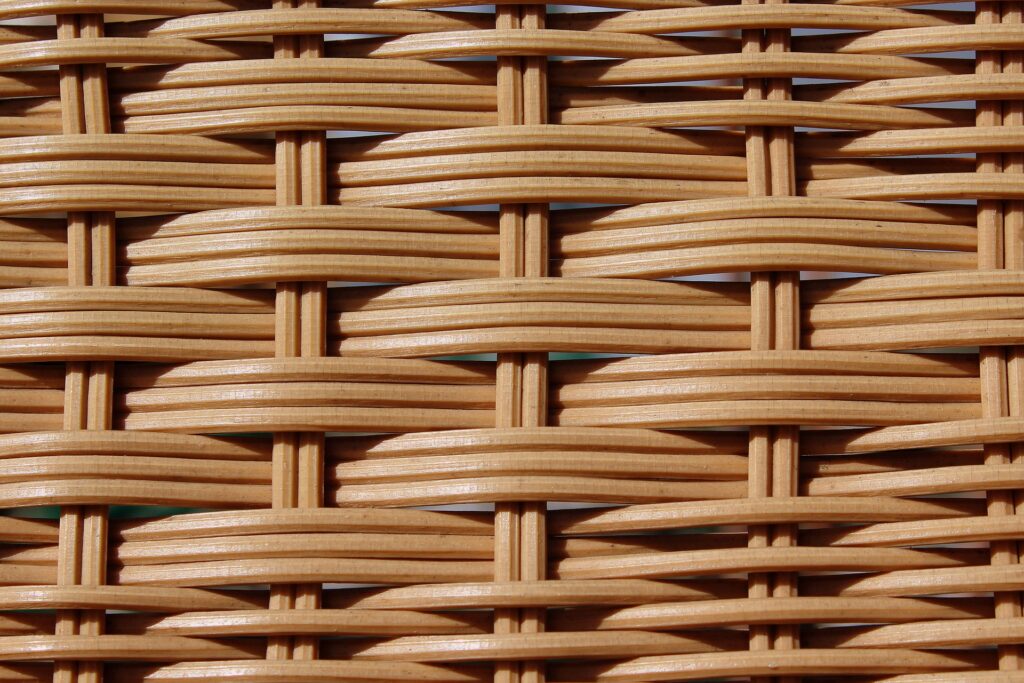
- Handwoven rope or cane panels.
- Carefully finished joinery.
- Decorative ceramic or metal hardware.
Each detail adds another layer to the furniture’s identity.
The challenge is restraint.
A cabinet does not need carved details on every surface to communicate craftsmanship.
Sometimes a single distinctive handle, beautifully curved frame or carefully executed wood joint is enough.
4. The Return of Tactile Surfaces
Furniture is experienced through touch as much as sight.
A smooth lacquered cabinet, textured timber panel, woven chair back and upholstered sofa all create different physical experiences.
Looking toward 2027, tactile contrast is becoming an important way to create visual richness.
For example, a sideboard might combine:
Natural wood veneer + solid-wood framing + a ceramic handle.
A dining chair might combine:
Timber construction + woven backrest + upholstered seat.
A sofa might combine:
Soft textured upholstery + a sculptural wooden base.
These combinations create depth without requiring complicated silhouettes.
For custom furniture manufacturers, they also create opportunities to develop distinctive collections through material combinations rather than entirely new structural concepts.
5. Furniture Silhouettes: Softer, More Architectural
The movement toward curved furniture is continuing, but the interpretation is becoming more refined.
Rather than exaggerated rounded shapes, designers are exploring controlled curves that make furniture feel comfortable and architectural.
A dining chair may have a gently curved backrest.
A console table may feature softened corners and subtly shaped legs.
A sofa may combine a generous upholstered seat with a clean, structured frame.
These details can make furniture feel more approachable without losing its contemporary character.
For manufacturers, curved forms require careful consideration of structure, material behavior and production methods.
A beautiful curve should not exist only in a rendering.
It must also be practical to manufacture consistently.

6. Materials Are Being Combined More Thoughtfully
A particularly relevant direction for custom furniture is the combination of different materials within one collection.
Wood, stone, metal, upholstery and ceramic can work together to create a richer design language.
A dining table with a timber base and stone top can feel architectural.
A wooden media cabinet with ceramic handles introduces a softer decorative detail.
A console with subtle brass-colored hardware can add refinement without appearing overly formal.
The success of these combinations depends on proportion.
Too many materials can make furniture feel visually fragmented.
A carefully selected combination can make even a relatively simple piece feel distinctive.
For designers developing complete furniture collections, material consistency can also connect different product categories.
A shared wood finish, hardware detail or curved edge treatment may appear across a bed, nightstand, dresser and sideboard.
The pieces remain individually functional while belonging to one recognizable design family.
7. Indoor and Outdoor Furniture Share a Design Language
Another opportunity lies in the increasingly close relationship between indoor and outdoor furniture aesthetics.
Outdoor furniture is no longer expected to look purely functional.
Generous upholstery, architectural silhouettes and sophisticated material combinations are helping outdoor spaces feel more like extensions of the interior.
For hotels and resorts, this creates an opportunity to develop a consistent visual identity across guestrooms, restaurants, terraces and poolside lounges.
A natural timber tone used indoors might be echoed through suitable outdoor materials.
A curved sofa silhouette might influence both an indoor lounge collection and an outdoor seating arrangement.
The construction requirements remain different.
Outdoor furniture still needs materials and engineering appropriate for exposure to moisture, sunlight and changing temperatures.
But the visual language can be connected.
Design continuity does not require identical construction.
It requires a thoughtful relationship between form, color and material.
8. Customization Gives Trends a Longer Life
Trends can be valuable starting points, but they should not dictate every design decision.
A color that looks exciting in a seasonal forecast may not suit every hotel, restaurant or residential project.
A decorative technique that works beautifully on a cabinet may be inappropriate for an outdoor dining chair.
This is where custom manufacturing becomes especially valuable.
Instead of copying a trend literally, designers can interpret it through:
- Different wood species and finishes.
- Alternative upholstery colors and textures.
- Customized dimensions and proportions.
- Selected decorative details.
- Material combinations suited to the project.
For example, a furniture collection inspired by warm earthy colors does not need to use the same terracotta shade across every product.
The color could appear in upholstery, while natural timber and stone provide a quieter foundation.
Similarly, the renewed interest in craftsmanship does not require elaborate carving.
It may simply inspire a more considered treatment of edges, joints and hardware.
Customization allows a design direction to become a product with its own identity.
9. What Should Furniture Buyers Take From the 2027 Trends?
For professional furniture buyers, the most useful question is not:
Which color will be the most popular next year?
It is:
Which design directions are relevant to our customers, projects and product positioning?
A hospitality buyer may prioritize warm, durable finishes that remain appropriate through multiple renovation cycles.
An interior designer may use expressive color to establish a distinctive atmosphere.
A furniture brand may develop a recognizable collection through one consistent material or craftsmanship detail.
Each can interpret the same trend differently.
The strongest collections are rarely built around a single fashionable feature.
They are developed through a consistent relationship between materials, proportions, comfort and construction.
Frequently Asked Questions
What are the main furniture color trends for 2027?
Forecasts point toward a combination of natural, grounding colors and expressive accents. WGSN and Coloro’s Spring/Summer 2027 palette includes Luminous Blue, Meadowland Green, Clay, Energy Orange and Pop Pink. Their use in furniture will vary by market, project and design style.
Will natural wood furniture remain popular in 2027?
Current furniture-market signals support continued interest in natural wood, expressive grain and tactile finishes. Both light and dark wood tones can work within this direction, depending on the desired atmosphere.
Is handcrafted furniture replacing minimalist furniture?
Not necessarily. Craftsmanship and minimalism can complement each other. A simple furniture silhouette may gain character through refined joinery, carving, weaving or carefully selected materials.
How can furniture brands use 2027 trends without creating products that quickly look outdated?
Use trends selectively. Build the main furniture collection around enduring proportions and practical construction, then introduce color and craftsmanship through carefully chosen finishes, upholstery and decorative details.
Why is custom furniture relevant to future design trends?
Custom manufacturing allows designers to adapt emerging colors, materials and details to specific products and projects instead of relying entirely on standardized catalog options.
Beyond Trends: Furniture With Its Own Identity
Looking toward 2027, the most meaningful direction may not be a particular color, material or silhouette.
It is a growing appreciation for furniture that feels considered.
Wood is allowed to reveal its grain.
Materials are selected for their character.
Craftsmanship becomes part of the design.
Color is used with confidence but also restraint.
For designers and furniture buyers, these developments offer more freedom to create products that feel personal and distinctive.
At CG Outdoor, custom furniture development brings together design references, dimensions, material selection, finishing and manufacturing expertise. From outdoor lounge collections to indoor cabinetry and upholstered furniture, these elements can be adapted to support different design visions.
Because the future of furniture is not simply about following what comes next.
It is about creating something worth keeping long after the trend has passed.
References:
WGSN × Coloro — 2027 Color of the Year and Key Colors
Architectural Digest — Fall 2026 High Point Market Design Trends
Sherwin-Williams — Furniture Colors, Finishes and Craftsmanship