
A coastal project can look extraordinary on opening day.
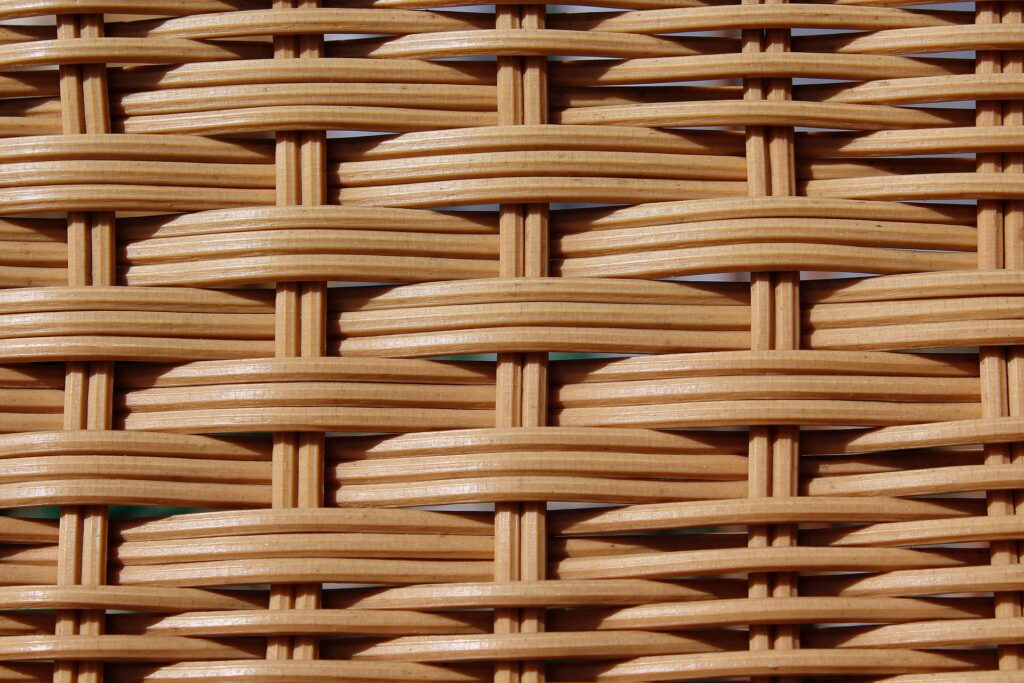
The sunlight reflects softly across woven textures. Powder-coated frames appear clean and minimal against the horizon. Cushions feel fresh, structured, and inviting.
Yet in many hospitality projects near the ocean, deterioration begins far earlier than expected.
A chair develops instability after a single season. Metal begins oxidizing around hidden joints. Rope loses tension. Woven materials become brittle under continuous UV exposure.
The failure is rarely dramatic at first. It begins quietly.
And by the time it becomes visible, the real problem has usually existed for months.
This is one of the most misunderstood aspects of outdoor furniture.
Many buyers assume outdoor furniture simply needs to resist rain. In reality, coastal environments create a far more aggressive condition — one where humidity, salt, UV exposure, and heat continuously pressure every material simultaneously.
The ocean changes how furniture ages.
Salt air is more destructive than most people realize
In coastal regions, corrosion is not caused by direct contact with seawater alone.
Salt exists within the air itself.
It settles gradually onto frames, hardware, woven surfaces, and fabric seams. Moisture then activates that salt repeatedly, creating an ongoing cycle of material stress.
This is why corrosion often begins in places people cannot easily see:
- internal joints
- welding areas
- screw connections
- drainage points
Furniture may still appear visually clean while deterioration is already occurring beneath the surface.
The problem becomes worse when manufacturers rely on lower-cost production shortcuts.
Thin aluminum tubing, weak welding, inconsistent coating thickness, and poorly sealed joints all accelerate failure.
In coastal environments, material quality alone is not enough. Execution becomes equally important.
UV exposure near the ocean behaves differently
Sunlight near the ocean is unusually aggressive.
Light reflects from the water surface, amplifying UV exposure from multiple directions. Furniture is not only exposed from above, but also indirectly from surrounding reflective surfaces.
Over time, UV radiation changes how materials behave.
Lower-quality PE rattan begins losing flexibility. Fabrics fade unevenly. Foam structures weaken internally before visible collapse occurs.
This is why commercial-grade outdoor furniture cannot rely only on appearance.
A woven surface may look visually identical in photographs, yet perform entirely differently after three years of exposure.
The true difference is usually hidden within:
- UV stabilization
- material density
- coating consistency
- structural engineering
This is also why experienced hospitality buyers often prioritize long-term material behavior over initial pricing.
The problem is often structural, not cosmetic
One of the biggest misconceptions in outdoor furniture sourcing is the assumption that deterioration is primarily visual.
In reality, structural degradation often happens first.
Frames begin shifting microscopically under repeated environmental stress. Moisture enters vulnerable joints. Expansion and contraction gradually loosen internal alignment.
The visible symptoms appear later:
- wobbling
- surface cracking
- coating failure
- uneven tension in woven materials
By then, replacement is usually unavoidable.
This is why commercial outdoor furniture should never be evaluated solely through catalog photography.
The real question is not:
“How does it look?”
But rather:
“How will it behave after years of exposure?”
Long-term outdoor performance is designed in advance
Well-made coastal outdoor furniture is rarely accidental.
It is usually the result of anticipating environmental stress before production even begins.
Frames are engineered to reduce water retention. Materials are selected specifically for UV resistance. Welding is reinforced in high-stress areas. Coatings are applied consistently rather than minimally.
These details are often invisible to the client.
Yet over time, they define whether furniture survives.
This approach to material durability and long-term performance aligns closely with the principles discussed in
Most Durable Outdoor Furniture Materials for Commercial Use.
Final reflection
Coastal projects expose the true quality of outdoor furniture faster than almost any other environment.
The ocean is unforgiving.
It reveals weaknesses in materials, shortcuts in manufacturing, and compromises in structure.
But when furniture is properly engineered, carefully finished, and built with long-term exposure in mind, the environment no longer feels destructive.
The furniture simply settles into it.And over time, that quiet resilience becomes the clearest expression of quality.