
Why Outdoor Furniture Trends Matter More in 2026
Outdoor furniture trends in 2026 are defined less by visual fashion and more by long-term performance requirements. For hotels, resorts, and luxury residences, outdoor furniture is no longer an accessory but a core operational asset that directly affects guest experience, maintenance cost, and brand perception.
In 2026, the most influential trends are driven by durability, customization capability, lifecycle cost control, and project-based procurement logic. This shift explains why hospitality and high-end residential projects now lead outdoor furniture trends, rather than following residential lifestyle cycles.
Outdoor furniture trends are increasingly shaped by hospitality-led spatial design rather than residential fashion cycles, a shift frequently discussed across hotel-focused industry platforms such as Hospitality Net, where long-term guest experience and operational performance are key considerations.
How Outdoor Furniture Trends Are Changing in 2026
In 2026, outdoor furniture trends are shaped primarily by commercial performance standards rather than short-term design movements. Hotels and luxury residential developments now define trends earlier than residential markets because they operate at scale and under strict durability expectations.
This change reflects a broader industry reality: furniture must deliver consistent comfort, structural stability, and visual integrity over years of continuous use. As a result, trends emphasize proven materials, adaptable design systems, and sourcing strategies that reduce operational risk.

Material Trends for Commercial Outdoor Furniture in 2026
Teak as a Long-Term Investment Material
Teak remains a cornerstone material in outdoor furniture trends for 2026, particularly in luxury hospitality projects. FSC-certified teak is valued not only for its visual warmth but for its natural resistance to moisture, insects, and deformation. In hotel environments, where furniture is used daily and exposed continuously, teak offers predictable aging and low structural risk.
Rather than treating teak as a premium upgrade, many hotels now view it as a cost-stable material over a long lifecycle. Its ability to maintain structural integrity while developing a natural patina aligns well with luxury branding and long-term asset planning.
Aluminum Frames for Modern Hotel Projects
Aluminum continues to dominate modern hospitality projects due to its lightweight structure and corrosion resistance. In 2026, aluminum frames are increasingly paired with soft materials such as rope, fabric, and cushions to balance visual comfort with structural efficiency.
Hotels favor aluminum because it simplifies logistics, reduces on-site handling risk, and performs reliably in coastal and high-humidity environments. Powder-coated finishes further extend durability while allowing color consistency across large-scale projects.
Rope, Rattan, and Mixed Materials
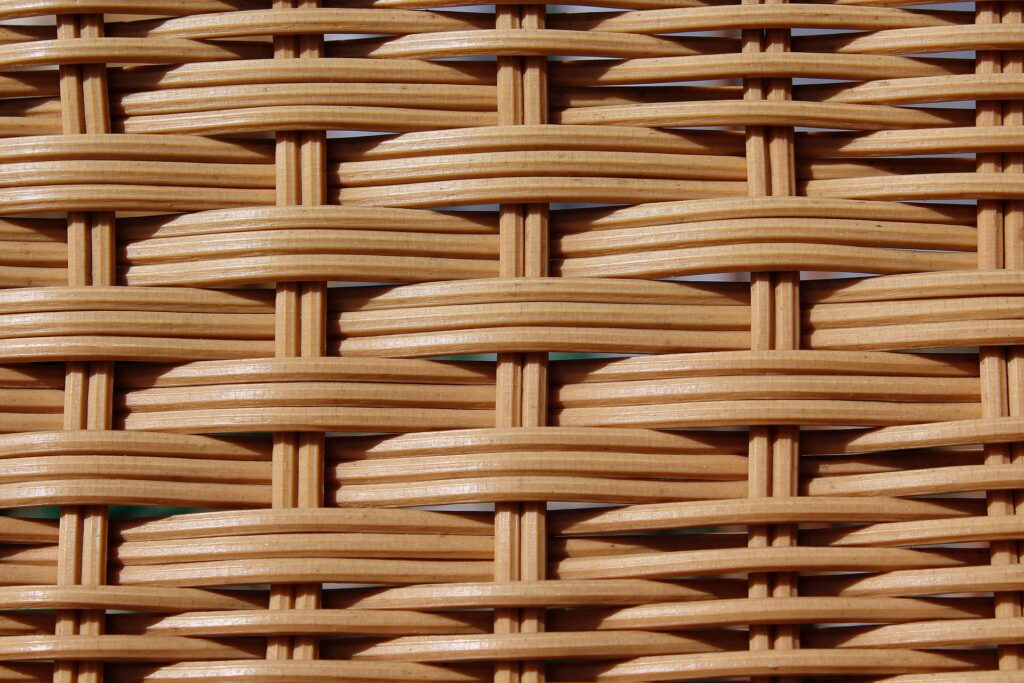
One notable trend in 2026 is the refined return of rope and woven elements. Unlike traditional wicker styles, modern rope and rattan applications are engineered for strength and UV resistance. These materials introduce visual softness without compromising structural performance.
Mixed-material designs allow hospitality spaces to feel relaxed yet sophisticated, supporting both casual and premium guest experiences. The trend reflects a desire for furniture that feels inviting while meeting commercial durability standards.
Sustainability as a Procurement Requirement
Sustainability in 2026 is no longer a marketing label. It has become a procurement requirement. Hotels and luxury developments increasingly request material traceability, environmental compliance documentation, and responsible sourcing confirmation.
Outdoor furniture trends therefore prioritize recyclable metals, certified wood, and long-lasting materials that reduce replacement frequency. Sustainable choices are now evaluated alongside performance and cost, not separately.
Color Trends for Outdoor Furniture in 2026
Natural Neutrals Dominate Hospitality Spaces
Natural neutral tones continue to define outdoor furniture trends in 2026. Shades such as sand, beige, and off-white are favored for their versatility and long-term visual stability. These colors integrate seamlessly with architecture, landscaping, and changing decorative elements.
For hotels, neutral palettes reduce the risk of visual fatigue and allow furniture to remain relevant even as surrounding design elements evolve.
Warm Gray and Earth Tones
Warm gray and earth-inspired tones have emerged as preferred alternatives to stark monochrome palettes. These colors convey understated luxury while masking minor wear and environmental marks more effectively.
Such tones are particularly popular in resorts and high-end residential projects where furniture must balance elegance with daily use practicality.
Functional Design Trends Shaping 2026 Projects
Modular Outdoor Furniture Systems
Modular design has become a defining functional trend in 2026. Hotels increasingly require flexible layouts that can adapt to seasonal demand, events, or renovations. Modular outdoor furniture allows for reconfiguration without full replacement, extending usability and reducing long-term costs.
Custom Sizes for Project-Based Needs
Standard furniture dimensions often fail to meet the spatial realities of hospitality projects. Rooftops, pool decks, and terraces vary significantly, making custom sizing a necessity rather than a luxury. In 2026, customization is viewed as a risk-reduction strategy that improves spatial efficiency and guest comfort.
Multi-Use and Long-Stay Comfort
Outdoor areas now serve multiple purposes, from relaxation zones to social and dining spaces. Furniture must support extended seating comfort, ergonomic support, and flexible usage scenarios. This shift has influenced deeper cushions, supportive backrests, and durable upholstery systems.
The Procurement Logic Behind 2026 Trends
The defining force behind outdoor furniture trends in 2026 is procurement logic. Hospitality buyers increasingly evaluate furniture based on lifecycle cost rather than initial unit price. Decisions are guided by durability, maintenance frequency, replacement cycles, and supplier accountability.
Manufacturers with strong customization capability and project experience are favored because they can align design intent with real-world usage conditions. In this context, trends are not aesthetic preferences but strategic responses to long-term operational requirements.

What These Trends Mean for Hotel and Luxury Residence Buyers
Understanding trends in 2026 requires looking beyond appearance. Buyers should evaluate whether a supplier can deliver consistent quality, customization support, and transparent production processes. Trend-aware sourcing helps prevent costly mistakes such as premature wear, mismatched sizing, or inadequate material performance.
Well-aligned furniture choices improve guest experience, protect brand image, and reduce operational disruption over time.
Looking Ahead: Designing Outdoor Spaces for the Next Decade
Outdoor furniture trends in 2026 signal a long-term shift toward performance-driven design. Hotels and luxury residences that adopt these trends early benefit from reduced replacement cycles, stronger visual consistency, and improved guest satisfaction.
Rather than chasing short-lived styles, forward-thinking projects focus on materials, structures, and partnerships that will remain relevant for years to come. In this context, trends are not about what changes next season, but about what endures.