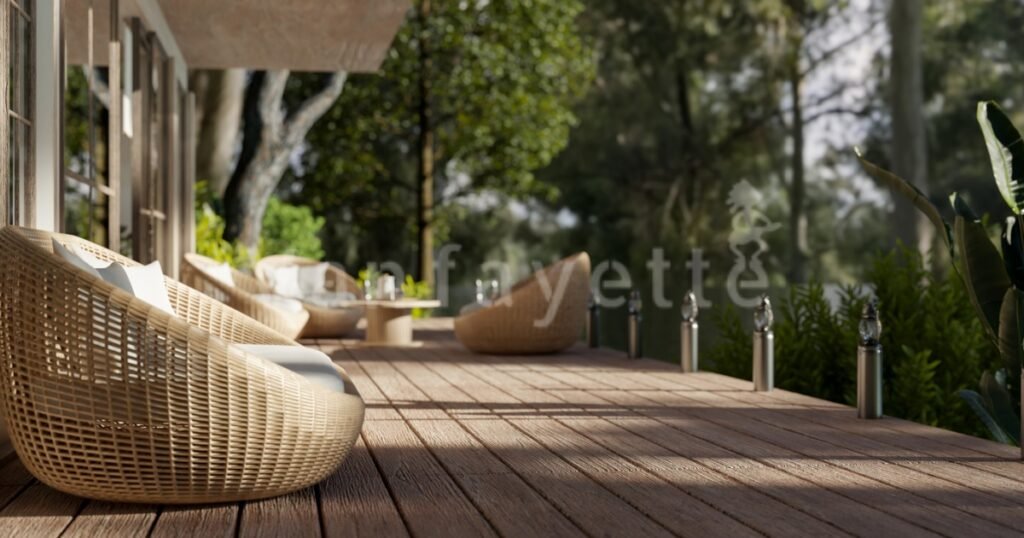
Outdoor furniture is expected to withstand sun exposure, rain, humidity, temperature changes, and frequent use. Yet many products that look appealing in showrooms or online photos begin to fail surprisingly quickly once placed outdoors.
Frames become unstable. Surfaces fade. Woven materials loosen. Cushions lose their shape.
When buyers start researching durable outdoor furniture, they often focus on appearance or price. In reality, long-term durability is determined by three essential factors:
- structural engineering
- material selection
- protective finishes
Understanding these elements helps designers, procurement teams, and homeowners evaluate furniture more accurately before making a purchase decision.
Structure: The Hidden Foundation of Durability
The internal structure of outdoor furniture determines whether the product remains stable after years of use.
While surface materials such as teak, aluminum, or wicker attract attention, the structural frame is what actually carries the load and maintains long-term integrity.
Well-engineered outdoor furniture typically includes:
- balanced frame geometry
- reinforced stress points
- precise welding or joinery
- stable weight distribution
In commercial environments such as hotels or resorts, structural strength is especially important because furniture is used more frequently than in residential settings.
Aluminum frames are widely used in high-quality outdoor furniture because they combine corrosion resistance with structural stability. When properly engineered, aluminum frames remain durable even in coastal or humid environments.
For buyers comparing materials used in hospitality projects, this topic is discussed in more detail in
Most Durable Outdoor Furniture Materials for Commercial Use.
A well-designed structure ensures that furniture maintains its shape and stability even after years of use.
Materials: Choosing the Right Outdoor Performance Materials
The second factor that determines durable outdoor furniture is material selection.
Outdoor environments are extremely demanding. Furniture must resist:
- ultraviolet radiation
- moisture exposure
- temperature fluctuations
- mold and mildew
Different materials respond differently to these conditions.
Common materials used in high-quality outdoor furniture include:
Aluminum
Lightweight, corrosion-resistant, and structurally stable.
Teak
A natural hardwood known for its weather resistance and structural strength.
PE rattan (synthetic wicker)
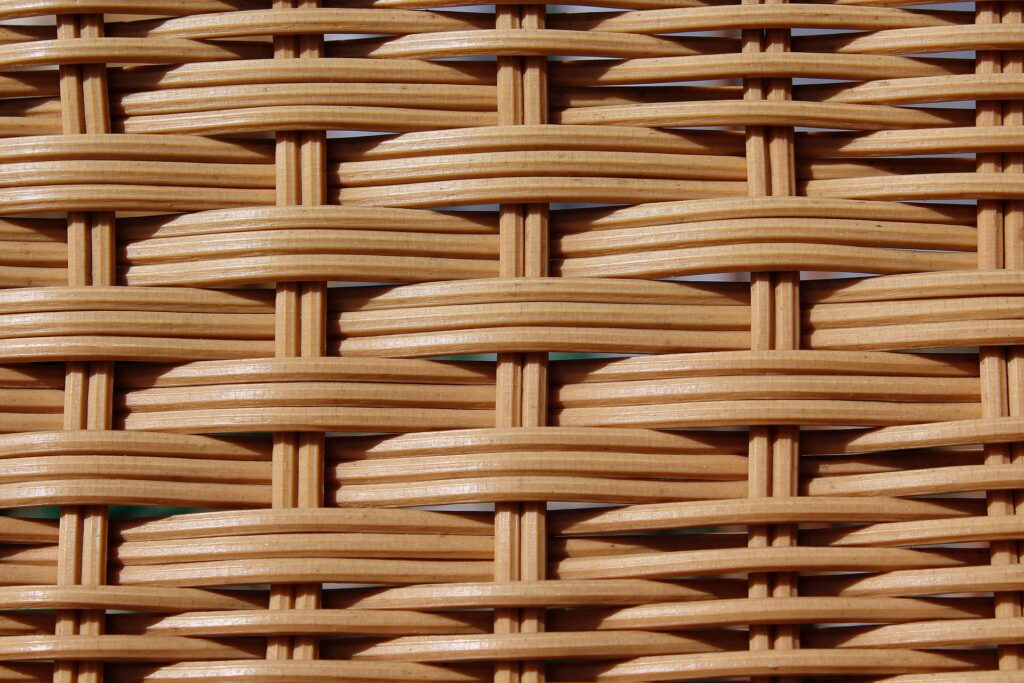
Designed specifically for outdoor durability when properly manufactured.
Outdoor performance fabrics
Engineered to resist fading, stains, and mildew.
According to performance fabric manufacturer Sunbrella, outdoor fabrics are designed to resist UV exposure, stains, mold, and mildew while maintaining long-term color stability. (https://www.sunbrella.com)
However, even strong materials can fail if lower-grade versions are used. For example, low-quality synthetic rattan may become brittle under UV exposure, while poorly processed metal frames may corrode prematurely.
This is why material specification is a critical part of hospitality furniture procurement.
Finishes: Protection Against the Outdoor Environment
The third factor that determines durability is the finishing process applied to the materials.
Protective finishes help outdoor furniture withstand environmental stress over time.
Common finishing systems include:
Powder coating for aluminum frames
Creates a protective barrier against corrosion and UV damage.
Protective oils or sealers for teak
Help maintain color and surface stability.
UV-stabilized coatings for synthetic materials
Prevent brittleness and fading.
A well-applied finish extends the lifespan of the furniture by protecting the underlying material from environmental damage.
Poor finishing, on the other hand, often leads to early deterioration even when good materials are used.
Durability Is the Result of Engineering, Not Marketing
Many outdoor furniture products are marketed as “all-weather” or “weather-resistant.” While these terms sound reassuring, they are not meaningful without understanding how the furniture is actually built.
True durability results from the combination of:
- strong structural design
- high-quality outdoor materials
- professional finishing processes
Manufacturers with strong engineering and production experience are typically able to explain these factors clearly. They can also adapt materials, finishes, and dimensions for specific environments.
This capability is particularly important in hospitality projects where outdoor furniture must meet both design and operational requirements. The process of developing these products is explained in
How Custom Outdoor Furniture Works for Hotel & FF&E Projects.
Why Durability Matters in Hospitality Projects
In hospitality environments, outdoor furniture is not simply decorative. It is part of the guest experience.
Durable furniture helps hotels and resorts:
- reduce replacement costs
- maintain consistent aesthetics
- improve guest comfort
- simplify long-term maintenance
For procurement teams, durability is therefore closely related to risk management and long-term investment.
This is also why experienced project buyers carefully evaluate suppliers before selecting a manufacturer, as explained in
What Makes a Reliable Outdoor Furniture Manufacturer in China.
The durability of outdoor furniture cannot be judged by appearance alone.
Furniture that truly lasts is the result of thoughtful engineering and manufacturing discipline.
Durable outdoor furniture depends on three fundamental elements:
- a stable and well-designed structure
- outdoor-grade materials chosen for environmental resistance
- protective finishes that extend the lifespan of the product
When these elements work together, outdoor furniture can remain functional, comfortable, and visually appealing for many years.
For designers, procurement teams, and project developers, understanding these factors provides a clearer framework for evaluating outdoor furniture and selecting suppliers capable of delivering long-term performance.